Practical collections for everyday food routines
Browse the shelfPekshelfas is a collection of practical, evidence-informed ideas about everyday eating. We're here to explore routines that work, to think through small adjustments, and to support realistic habit-building.
This is a shared conversation. Nutrition guidance works best when it flows both ways—through dialogue, adaptation, and genuine support. We're committed to meeting you where you are, adjusting what we suggest based on your rhythm and needs, and sharing the responsibility for what works in your life.
What this is not: Medical advice, treatment, diagnosis, or promises of specific results. We do not make health claims. We do not prescribe. We listen, suggest, and refine together.
Open the collectionA calm morning routine sets the rhythm for the day. Prep your breakfast the night before: overnight oats with fruit, or a simple egg and toast waiting in the fridge. This small habit reduces morning friction and means you start with nourishment, not scramble.
Include a warm drink—tea, coffee, or water with lemon. The warmth and pause matter as much as what's in it.
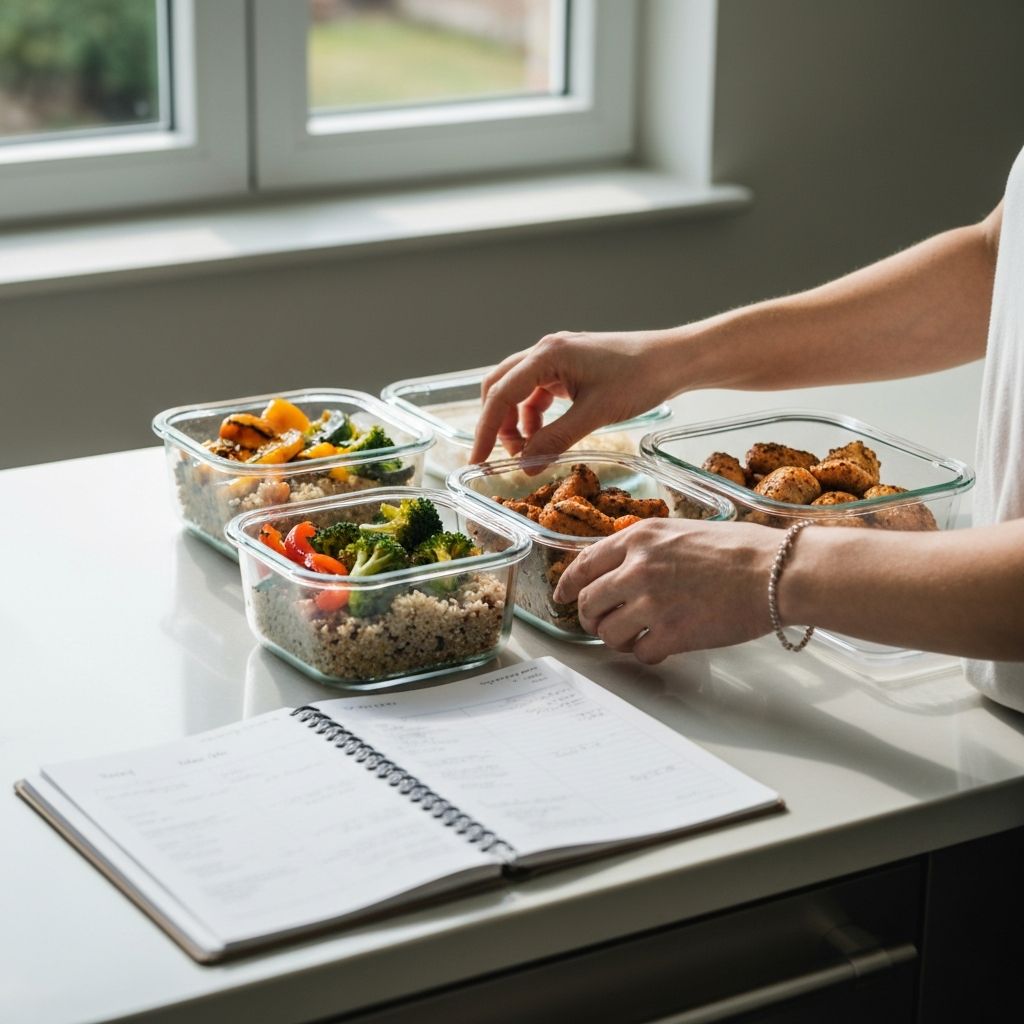
Lunch is a collection point. Batch-cook grains or proteins on Sunday; store them in clear containers. When lunch arrives, you're choosing from prepared options rather than making decisions under hunger. A simple formula: grain + vegetable + protein + something bright (lemon, fresh herbs, a good oil).
Eat away from screens when you can. Even 20 minutes away from work makes a real difference.
Evening meals don't need to be elaborate. A warming soup, roasted vegetables with fish, or a simple curry build routine without complexity. Prepare ingredients Sunday evening so weeknight cooking takes 30 minutes or less.
The act of cooking itself—chopping, stirring, the sounds and smells—is part of the routine that prepares your body for rest.
Make a list before you shop. Not from memory, but from a real scan of what's in your kitchen. Shop the edges of the supermarket first: vegetables, fruit, eggs, plain yoghurt, cheese, fresh meat or fish. Move through the middle only for staples you use regularly.
Notice what you naturally reach for. Your preferences, not trends, are the foundation of a sustainable routine.
Choose 3–4 quick snacks you actually enjoy. Keep them visible: almonds in a bowl, apples in a fruit bowl, hummus with carrot sticks ready to go. When you know what's available, choice becomes automatic, and snacking feels less like a lapse and more like a sensible break.
Your defaults shape your day far more than willpower ever will.
Eating with others is one of the best parts of being human. At a restaurant, order what appeals to you. At a gathering, eat the food you brought plus a bit of what others brought. At home with friends, you set the rhythm—make it about the conversation, not the perfection of the meal.
Connection matters more than calories.
Food is conversation. Whether at a café with a friend, dinner at someone's table, or a celebration with family, the primary purpose is connection. Eat what feels good, stay present with the people around you, and enjoy the ritual of sharing.
In moments of joy, the food is rarely the point. The company is.
We talk through what matters to you, what your days look like, where friction shows up.
You live your weeks. We notice what's working, what feels hard, and what patterns emerge.
Together, we refine. A routine might shift, a suggestion might fit differently, a timing might move. This is normal and expected.
Real change has hard days. We stay alongside you through them, celebrating steadiness, not perfection.
Regularly, we pause to see what's become automatic, what still needs support, and what comes next.
Sunday evening, or early morning. Grains in one container, vegetables roasted or fresh in another, protein cooled. By lunch, choice is simple. This routine removes the 2pm question: 'what now?'
Read the notes

A real list, written from what's missing. This small act of attention shapes the entire week's eating. You shop once, prepare twice, eat throughout. Intention at the start saves indecision later.
Read the notes

You move through with a list, you know what you want, you make choices without overthinking. The routine of shopping becomes calm because the decision-making happens at home, not under the bright lights with time running out.
Read the notes

You sit across someone you care about. The food arrives. You eat what looks good, you talk, time moves differently. This is what eating is really about. Routine and structure support this freedom.
Read the notes
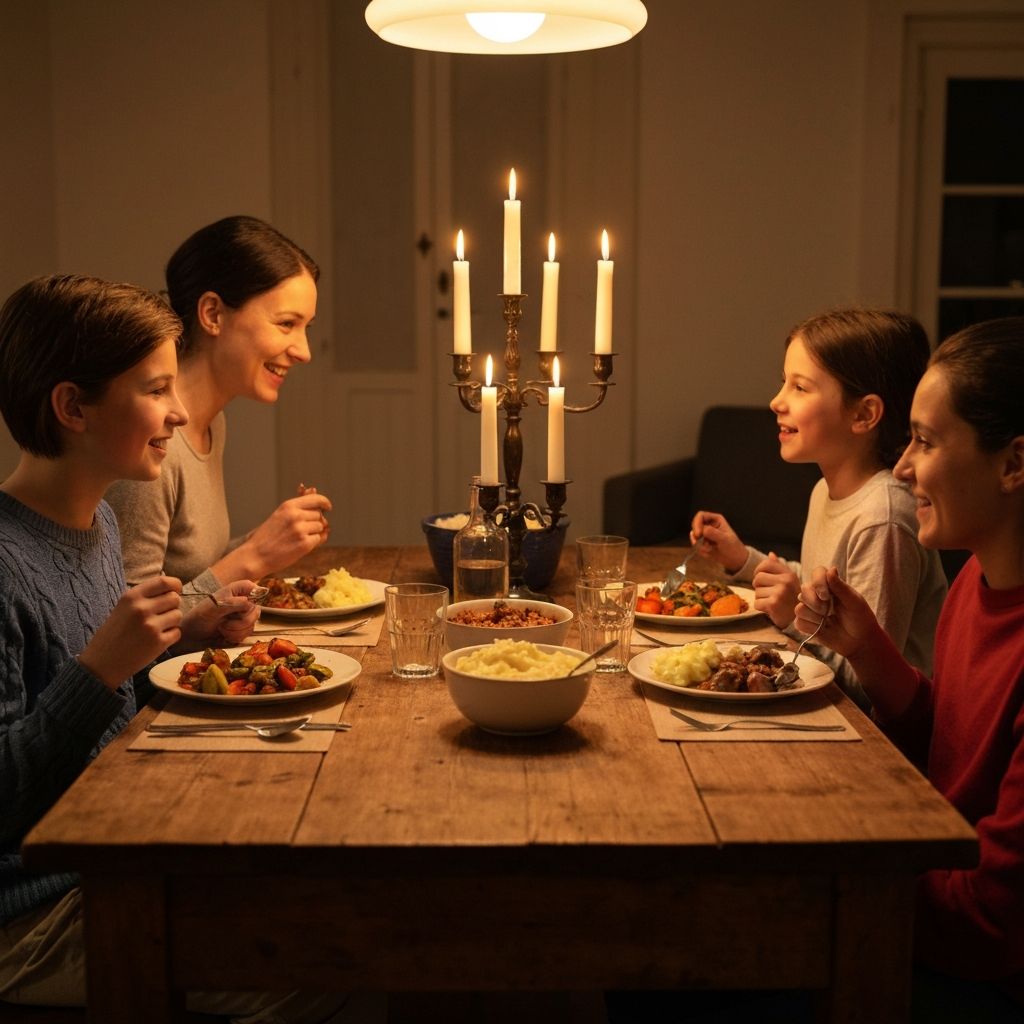
The table is simple. Everyone's there. The food is warm and real. No performance. No perfection. Just people, eating together. This is what a sustainable routine protects and enables.
Read the notesPekshelfas is a practical nutrition advisory collection built on the belief that eating well is not about rigid rules or promised transformations. It's about building rhythms that fit your life, making choices that feel calm rather than fraught, and understanding that the work of nutrition is genuinely shared.
We believe in dialogue over prescription. In adaptation over dogma. In steady support rather than dramatic change. Your role matters—what works for you shapes what we suggest. Our role is to listen, to offer evidence-informed ideas, to refine them with you over time, and to stay present through the hard days when routines feel difficult.
This is not a place for medical claims. We don't diagnose. We don't treat. We don't promise results. What we do offer is a calm space to explore what sustainable eating looks like in your real life, with your constraints, your preferences, and your rhythms honoured.
We're here to answer questions, discuss how we might work together, and explore whether Pekshelfas's approach resonates with what you're looking for in nutrition guidance.